
Living with migraine
Migraine after exercise: why it happens and how exercise can help
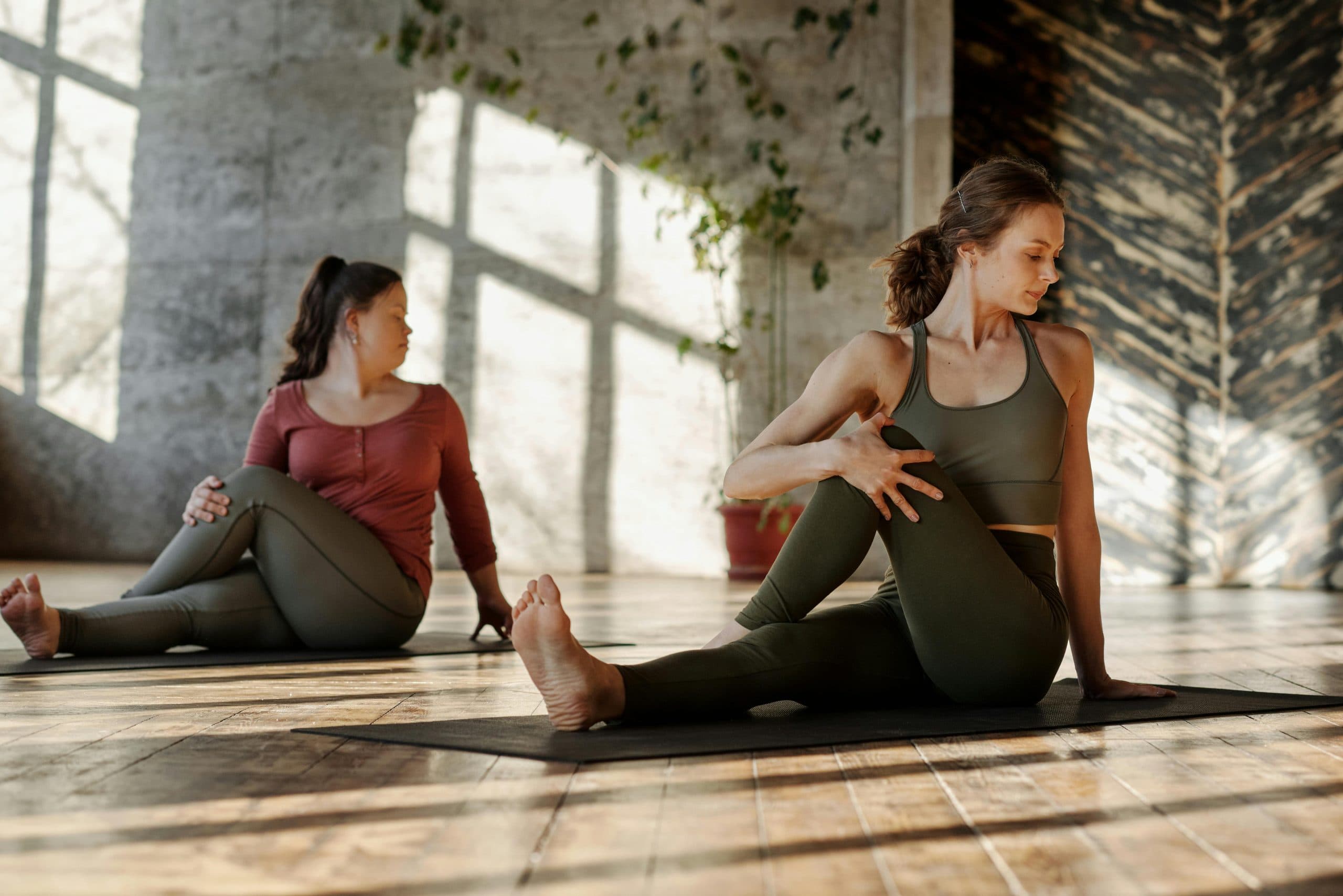
Some people get a migraine after exercise, especially after sudden or very intense effort. It can be linked to hormonal changes, a rise in blood pressure and the release of substances such as CGRP, which play a role in migraine. At the same time, many people with migraine find that regular, moderate exercise helps reduce their attacks.
Exercise is good for body and mind. It can improve sleep, reduce stress and support a healthy heart. Research suggests that people who exercise regularly tend to have fewer migraine attacks, and it may also help with other pain that often comes with migraine.
Why do I get a migraine after exercise?
Some people get a headache after intense physical effort. This may be due to hormonal changes, a rise in blood pressure, or the release of substances such as CGRP, which play a role in migraine. Starting suddenly, pushing hard without warming up, not drinking enough or exercising on an empty stomach can make it more likely. That does not have to be a reason to avoid exercise altogether: by building up gradually and listening to your body, many people can exercise without making their symptoms worse. If you notice a pattern, a headache diary can help you and your migraine specialist see which kinds of exercise, times of day or conditions, such as heat, are linked to your attacks.
What is exercise-induced migraine?
Exercise-induced migraine is a migraine attack that is set off by physical effort. It looks like your usual migraine, with throbbing pain and often nausea or sensitivity to light. It is different from a headache that comes on during exercise and is not followed by other migraine symptoms, which doctors call exertional headache.
A headache that comes on suddenly and severely during exercise, lifting or sex, and reaches its worst within seconds or minutes, is not typical migraine. It needs urgent medical help (see below).
How can exercise help with migraine?
Regular exercise may help with migraine because it affects several processes in the body:
- Endorphins: during exercise your body releases endorphins, natural painkillers that also lift your mood.
- Less inflammation: scientists suspect that inflammation in the brain plays a role in migraine, and exercise may help reduce it.
- Better sleep and less stress: exercise can improve sleep quality and help reduce stress, both important factors in migraine.
- Better concentration: many people with migraine have trouble concentrating, and exercise can leave you feeling sharper and more alert.
Exercise is not a duty, and not exercising does not cause migraine. If moving more feels right for you, some people find it is one of the things that helps.
How can you exercise safely with migraine?
- Build up slowly and avoid sudden bursts of effort.
- Warm up before you start.
- Plan regular times to exercise and choose an activity that suits you.
- Drink enough water and keep your blood sugar stable, for example with a snack beforehand.
- Gentle activities such as walking, yoga or swimming are a good place to start.
When to get urgent help
Call 999 or go to A&E if you have a sudden, severe headache during or after exercise that reaches its worst within seconds or minutes, or a headache with weakness or numbness on one side, slurred speech, or loss of vision that does not come back. If you are worried but it is not an emergency, call NHS 111.
Get help with your migraine
At The Migraine Clinic we understand that migraine is much more than a headache. If attacks are getting in the way of exercise or daily life, treatment can help.
- Check your symptoms with the migraine test.
- Read about preventive medication and treatment.
- See how to start.
Get started with your migraine
No referral needed and no waiting times. Take the migraine test or see how to get started.