
Symptoms
Ocular migraine: symptoms, causes and when to get help
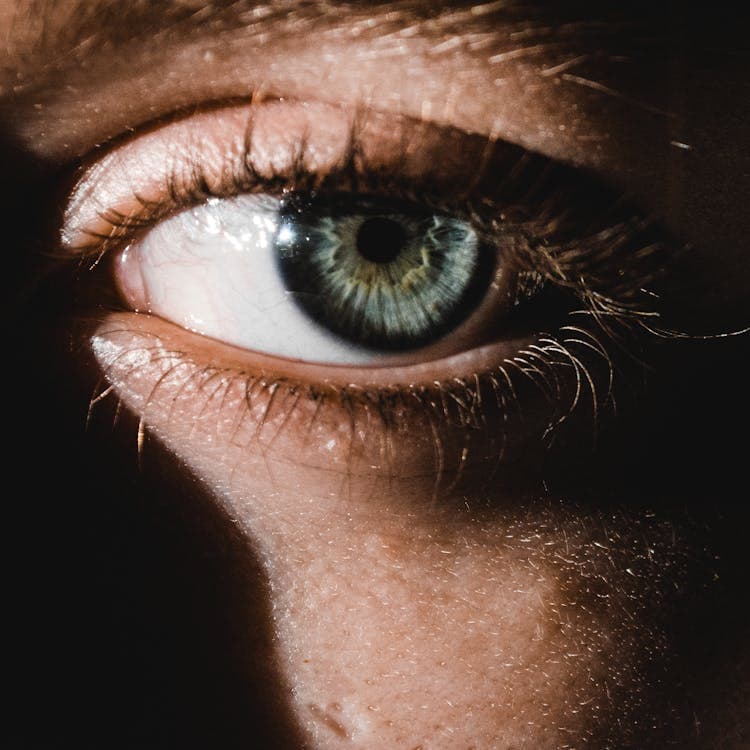
An ocular migraine is a migraine attack with temporary visual disturbances, such as flickering lights, zigzag lines or blind spots, that usually last 5 to 60 minutes. These visual symptoms are a migraine aura: a short-lived change in how the brain works, which often comes before the headache but can also happen without any headache. Ocular migraine causes no lasting damage to your eyes or brain.
Ocular migraine is also called visual migraine or eye migraine. Doctors classify it as migraine with aura, one of the two main types of migraine alongside migraine without aura. Around one in three people with migraine has an aura at least sometimes. With about 10 million people in the UK living with migraine, that is a large group.
What are the symptoms of an ocular migraine?
Visual symptoms differ from person to person, and from one attack to the next. The most common are:
- Flickering or shimmering: bright, trembling spots of light or a flickering pattern, often at the edge of your vision
- Zigzag lines: jagged, wavy lines that slowly spread across your field of vision, sometimes described as a fortification spectrum
- Blind spots (scotomas): an area where you temporarily see nothing or see blurred, often edged by flickering
- Flashes of light: sudden, brief flashes
- Blurred or distorted vision: as if looking through a steamed-up window
In most cases the symptoms affect both eyes at the same time, because the cause lies in the brain, not in the eyes. They usually start small and spread gradually over 5 to 30 minutes.
After the visual phase, many people get a headache, often on one side, sometimes with nausea, sensitivity to light and sound, and tiredness. But an ocular migraine can also happen without a headache afterwards.
What causes an ocular migraine?
The visual symptoms come from a temporary change in electrical activity in the visual cortex, the part of the brain at the back of your head that processes what you see. This is called cortical spreading depression: a slow wave of reduced activity that moves across the surface of the brain. While it passes, nerve cells in that area work less well, which causes the disturbances you see.
Migraine is an inherited brain condition. A migraine brain reacts more strongly to change and stimulation. Ocular migraine is not caused by a problem with your eyes, so an eye examination will usually be normal.
What can trigger ocular migraines?
The same things that can trigger other migraine attacks can trigger an aura. Commonly reported triggers include changes in sleep, stress or the let-down after stress, hormonal changes, skipped meals, dehydration, and bright or flickering light. Triggers differ between people, and many attacks have no clear trigger at all. Having migraine is not your fault.
How long does an ocular migraine last?
The visual phase usually lasts between 5 and 60 minutes, often 20 to 30 minutes. The symptoms build up gradually and fade on their own. If a headache follows, it can last from a few hours to a day, like a typical migraine attack.
Are ocular migraines mini strokes?
No. A migraine aura is not a mini stroke (transient ischaemic attack, or TIA). A typical aura builds up gradually over several minutes, often includes "positive" symptoms such as flickering or zigzag lines, and passes completely. A TIA usually starts suddenly and causes a loss of function, such as sudden loss of vision, weakness or numbness. Because the two can be hard to tell apart the first time, any first episode of visual disturbance should be checked.
What is the difference between ocular migraine and retinal migraine?
In the common form of ocular migraine (migraine with visual aura), symptoms occur in both eyes at once, because the cause is in the brain.
Retinal migraine is much rarer. The visual disturbance affects only one eye and is thought to be caused by a temporary narrowing of blood vessels in the retina. If your symptoms keep appearing in the same eye, get this checked by an optician or an ophthalmologist (eye specialist).
A simple test: cover one eye at a time during an episode. If the disturbance is visible with either eye, it is almost certainly a visual migraine aura.
How do you stop an ocular migraine?
There is little you can do to stop the visual phase once it has started; it passes on its own. What helps:
- Rest in a quiet, dim room
- Avoid screens, as bright light can make symptoms feel worse
- Do not drive while you have visual symptoms
- If a headache follows, take your usual acute medication as agreed with your GP or migraine specialist
If you have ocular migraines regularly, a migraine specialist can help. Preventive treatment can reduce how often and how severely attacks happen. Options include the gepants atogepant and rimegepant, and the CGRP antibodies erenumab, fremanezumab and galcanezumab.
What are the red flags for ocular migraines?
See your GP or an optician if:
- you have visual symptoms for the first time, to rule out other causes
- the aura lasts longer than 60 minutes
- the disturbance always affects the same eye (this can point to retinal migraine, which an eye specialist should assess)
- your attacks are becoming more frequent or are affecting your daily life
When to get urgent help
Call 999 or go to A&E straight away if you have:
- a sudden, severe headache that is the worst you have ever had
- weakness or numbness on one side of your body or face
- slurred speech or difficulty finding words that does not pass
- loss of vision that does not return
- a first aura after the age of 50
- a headache with a fever and a stiff neck
If you are worried but it is not an emergency, call NHS 111.
Get help with ocular migraine
Wondering whether your symptoms point to migraine? Take our migraine test, read what migraine is, or see how to start with a migraine specialist online. You can also read about preventive medication.
This article was written by the medical team of The Migraine Clinic, an online clinic specialised exclusively in migraine. The medical classification of migraine with aura follows the International Classification of Headache Disorders (ICHD-3).
Get started with your migraine
No referral needed and no waiting times. Take the migraine test or see how to get started.