
Treatment
Ocular migraine treatment: what to do during and between attacks
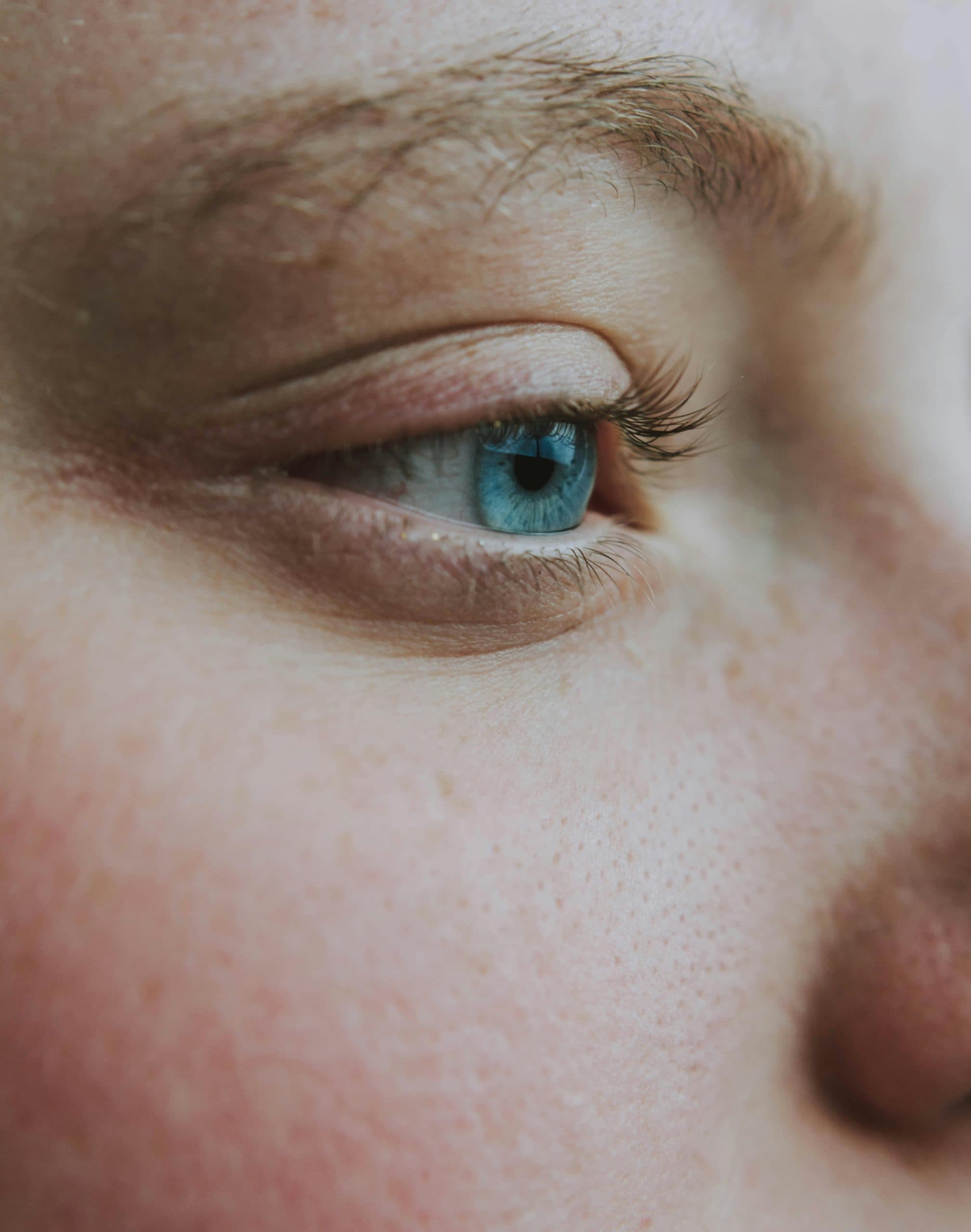
No medicine stops the visual part of an ocular migraine once it has started: the flickering, zigzag lines or blind spots fade on their own, usually within 5 to 30 minutes. What helps in the moment is stopping what you are doing, resting somewhere dim, and taking your acute migraine medication if a headache follows. The main ocular migraine treatment is preventing future attacks.
Ocular migraine can be frightening, especially the first time. You are at your desk and suddenly flickering appears in your field of vision, as if you have just looked into a bright lamp. You cannot read properly or see sharply. The good news is that in most cases it is harmless, and there is a lot you can do.
What is an ocular migraine?
An ocular migraine is a form of migraine in which you temporarily see visual disturbances, such as flickering, zigzag lines, flashes of light or blind spots. These are known as a visual aura, and doctors usually call the condition migraine with aura.
During an ocular migraine, the visual cortex (the part of the brain that processes what you see) is temporarily disrupted by a slow wave of electrical activity across the surface of the brain, called cortical spreading depression. It is this brain process that causes the visual symptoms, not your eyes.
So an ocular migraine is a brain event, not an eye disease. Your eyes are healthy; it is your brain that is briefly working differently.
What are the symptoms of an ocular migraine?
Not everyone has the same symptoms. The most common are:
- zigzag lines or flickering light, often starting as a small spot that spreads
- flashes of light, short and bright
- blind spots (scotomas), an area where you temporarily cannot see
- blurred or distorted vision, as if you are looking through water
- colourful spots or patterns, sometimes like a kaleidoscope
The visual symptoms usually last 5 to 30 minutes and then go away. Some people then get a headache with nausea, but an ocular migraine can also happen without any headache. Other symptoms after the visual phase can include tiredness, difficulty concentrating and sensitivity to light or sound.
Ocular migraine is more common in women than in men, and it can start at any age.
How do you stop an ocular migraine?
You cannot switch off a visual aura that has already begun: it has to run its course. But you can make it easier to get through:
- Stop what you are doing. Do not carry on working, and do not drive.
- Find a quiet, dim room. Bright light and screens make symptoms worse.
- Close your eyes or look at a neutral spot. Give your brain the chance to settle.
- Put screens away. Phones, laptops and televisions can intensify the symptoms.
- Drink some water. Dehydration may play a part in triggering attacks.
If a headache follows, take your acute medication, such as a triptan, as your migraine specialist or GP has advised. Taken at the start of the headache, it tends to work best.
How can you prevent ocular migraine attacks?
If you have ocular migraines regularly, it helps to know that migraine is an inherited brain condition. You do not cause it by making the wrong choices. But some steps can help reduce how often attacks happen.
Learn your pattern. Keeping a migraine diary helps you spot triggers and patterns. Note your sleep, hormonal changes, stressful moments and screen time.
Discuss preventive treatment. If attacks are frequent, preventive treatment can reduce them. Modern options developed specifically for migraine include the monoclonal CGRP inhibitors erenumab, fremanezumab and galcanezumab, and the gepants atogepant and rimegepant. Other, older preventive medicines exist too; your GP can discuss them.
Take breaks from screens. Long stretches at a screen without breaks are often mentioned as a trigger. Some people find the 20-20-20 rule helps: every 20 minutes, look at something 20 feet away for 20 seconds.
Is ocular migraine dangerous?
Ocular migraine is almost always harmless. The visual symptoms do not cause lasting damage to your eyes or brain. Still, there are situations where you should act:
- Visual symptoms for the first time? Always have them assessed by your GP, or call NHS 111, to rule out other causes. If they come on suddenly with other symptoms, use the urgent help list below.
- Symptoms in one eye only? This may be retinal migraine, a rarer form that does need medical attention. Get it checked promptly by your GP or an optician.
- Visual symptoms lasting longer than 60 minutes? Contact your GP or migraine specialist.
- Frequent attacks that affect your daily life? Effective treatments are available.
When to get urgent help
Call 999 or go to A&E if you have:
- a sudden, severe headache that reaches its worst within seconds or minutes
- weakness or numbness on one side of your body or face
- slurred speech or difficulty understanding words
- loss of vision that does not come back
- a first ever aura after the age of 50
- a headache with a high temperature and a stiff neck
If you are worried but it is not an emergency, call NHS 111.
Get help with ocular migraine
You do not have to accept your current situation: there is a lot that can be done. At The Migraine Clinic, which focuses only on migraine, you see a migraine specialist online by video, without a referral.
- Do your symptoms fit migraine? Take the free migraine test.
- Read about acute medication and preventive medication.
- See how to start.
This article was written by the medical team of The Migraine Clinic.
Get started with your migraine
No referral needed and no waiting times. Take the migraine test or see how to get started.